High-Efficiency Bio-Cord (Braid Type) Media | Advanced Biomimetic Carrier for Contact Oxidation
EnquiryContact us to get !
- Free design suggestions
- Product Technical details
- Full product catalog
Product Overview
When upgrading existing wastewater treatment plants or executing river ecological restoration, expanding the physical footprint is often impossible.
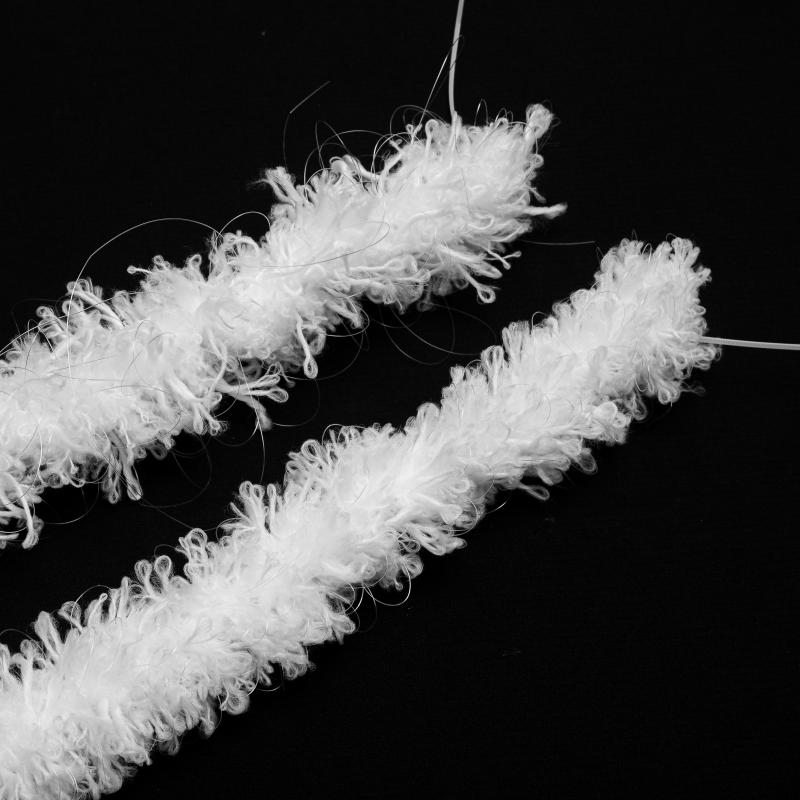
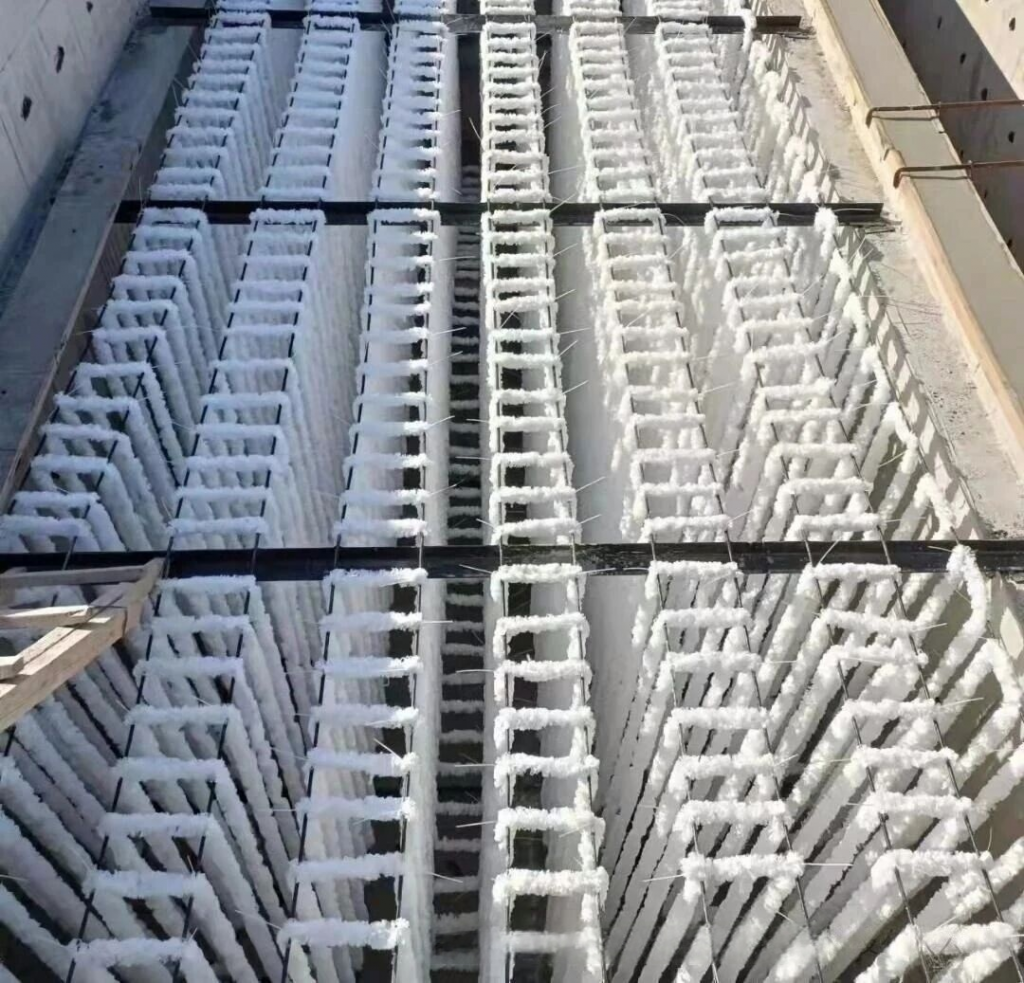
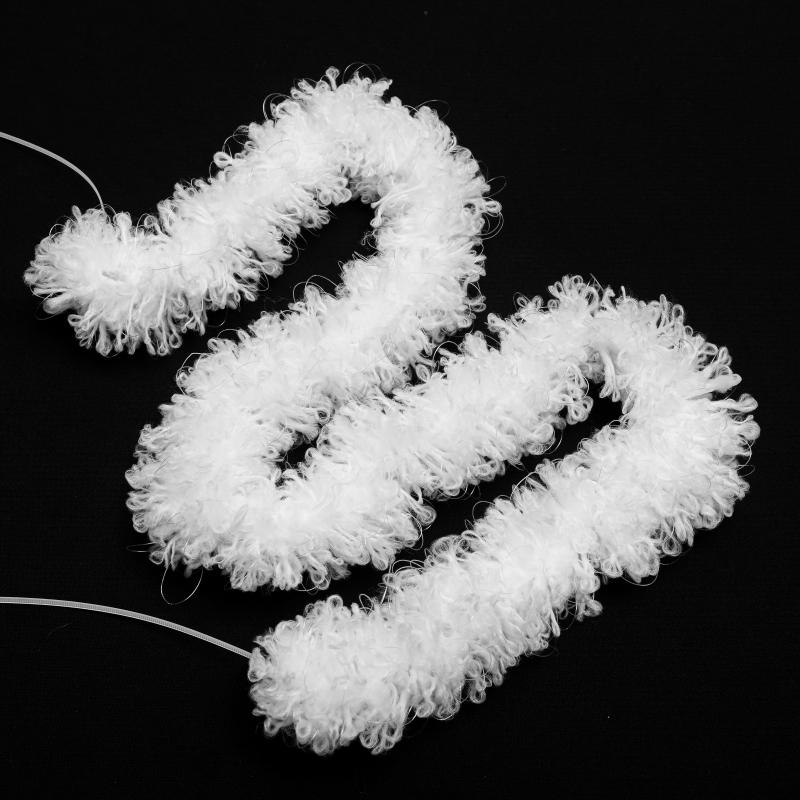
The Biomimetic Bio-Cord Media manufactured by HNS Watertech offers a high-performance alternative. Formed from specially processed synthetic chemical fibers, it is designed to be installed in a suspended, vertical “forest” or curtain structure within the reaction tank. As wastewater flows through this biomimetic array, it provides a massive, highly affinitive surface area for microorganisms to attach, naturally developing a robust biofilm that performs highly efficient contact oxidation.
The Working Principle: Single-Tank SND
The bio-cord acts as a sophisticated micro-reactor. Due to its radial braid structure, a natural oxygen gradient forms across the media:
- Outer Layer (Aerobic): High dissolved oxygen (DO) levels support rapid carbon oxidation and nitrification.
- Inner Core (Anaerobic/Anoxic): As oxygen penetration decreases toward the center, an anoxic/anaerobic state naturally occurs. This allows specialized microorganisms to consume nitrate nitrogen, achieving highly effective Simultaneous Nitrification and Denitrification (SND) within the exact same tank.
Key Engineering Advantages
- 70% – 80% Efficiency Boost: Due to its massive effective surface area and optimized mass transfer efficiency, our bio-cord improves overall biological purification performance by 70% to 80% compared to conventional rigid media.
- “Water Grass” Biomimicry (Zero Clogging): Simulating the morphology of natural aquatic plants, the bio-cord is highly flexible. During aeration, the cord’s diameter dynamically flexes and sways. This constant motion easily shakes off dead, aged sludge, preventing accumulation and clogging while ensuring a long service life.
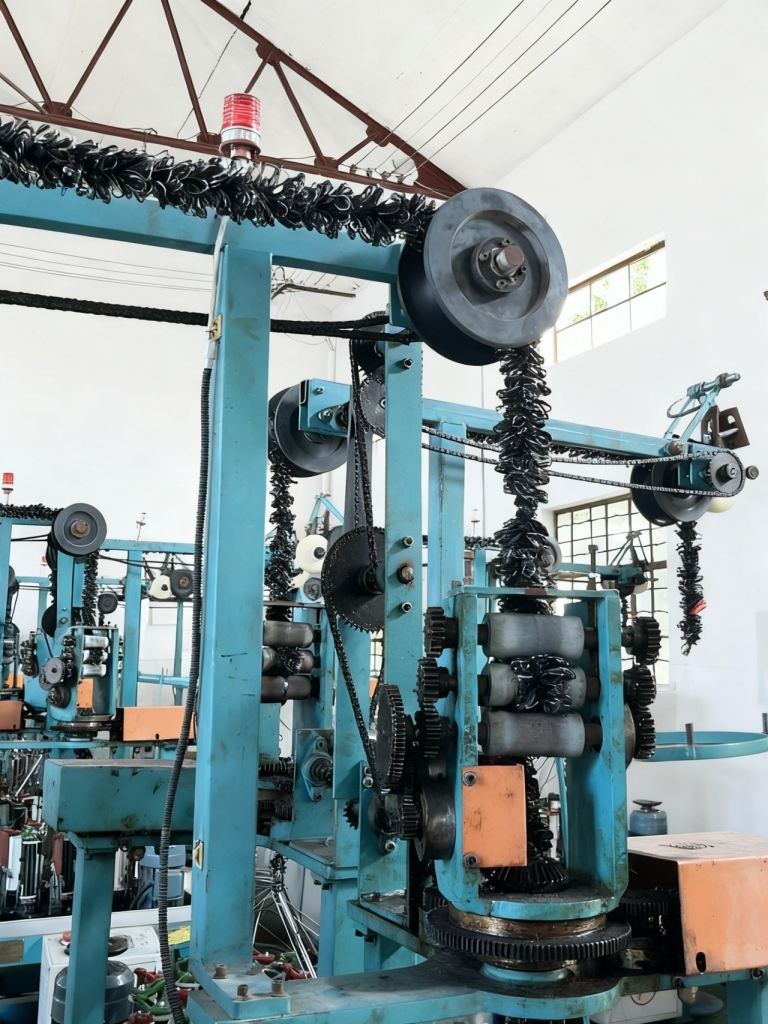
- Versatile Customization: By altering the manufacturing methods and fiber compositions, we produce a complete range of media tailored for different wastewater concentrations, and specific reactor environments (aerobic, anaerobic, or facultative).
- Rapid Installation: Manufactured as a ready-to-deploy curtain structure, allowing for fast, modular installation directly into existing tanks or natural riverways without complex civil works.
Technical Specifications
| Parameter | Specification |
| Material | Specially Processed Synthetic Fibers |
| Structure Type | Braid / Curtain Structure |
| Standard Diameters | Φ 50 mm / Φ 60 mm / Φ 80 mm |
| Installation Spacing | 80 mm – 200 mm (Adjustable) |
| Packaging Method | Standard Woven Bags |
| Core Functions | SND, High Mass Transfer, Sludge Reduction |
💡 Frequently Asked Questions (Q&A)
Q1: How does the flexible “water grass” structure improve system maintenance?
A: Traditional fixed-bed media often traps dead sludge in its rigid corners, leading to clogging and reduced treatment capacity. Our bio-cord’s diameter is physically flexible under aeration. This continuous movement naturally sloughs off excessive, aged biofilm, maintaining a healthy, thin, and highly active biological layer with virtually zero manual maintenance.
Q2: Can we use this media for both aerobic and anaerobic zones?
A: Yes. The media itself is highly adaptable. Depending on your oxygen supply (aeration vs. mixing), the bio-cord will cultivate the required microbial communities. We can also adjust the fiber specifications to perfectly suit your specific aerobic, anaerobic, or facultative tank designs.
Q3: How is the media arranged in the reactor?
A: The bio-cords are typically installed in a vertical “curtain” or “forest” configuration. Depending on your influent concentration and aeration strength, we recommend an installation spacing of 80mm to 200mm. This ensures optimal fluid dynamics and prevents short-circuiting in the water flow.